



- A +
- A
- A -
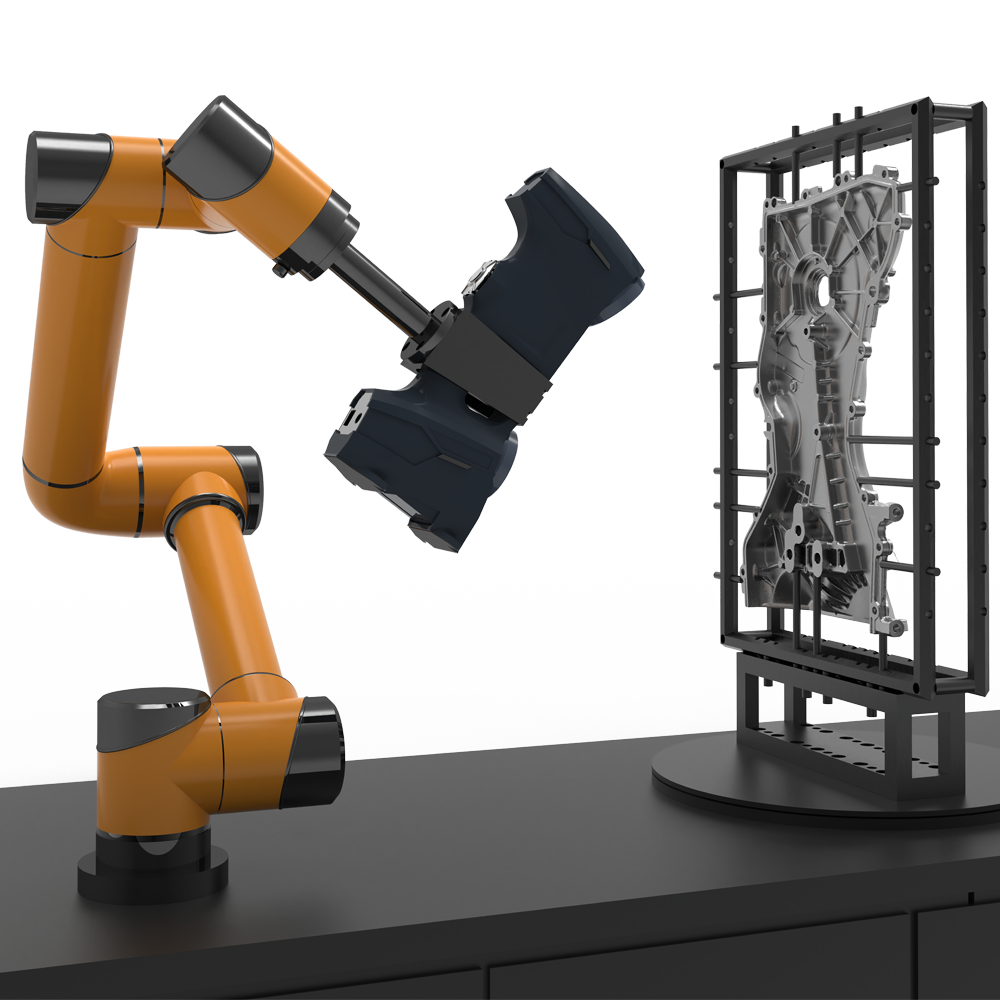
In the auto parts market, it is critical to capture the dimensions of manufacturer components. This process helps design custom parts such as body and suspension kits, engine components, or other performance parts. In these scenarios, the general dimensions of the components need to be precisely defined, especially the dimensions of mounting points.
In addition, for body kits and other appearance-enhancing parts, the design of new components must match the original design to maintain the vehicle's overall aesthetic appearance. A key step in reverse engineering is to accurately and efficiently capture the dimensions of the original parts and extract the necessary information from the resulting scans, so as to create new designs with proper fitting features.
Automobile Hub
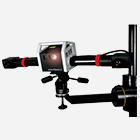
The HOLON B71 3D scanner from Hualang 3D is adopted together with reverse engineering technology to conduct data acquisition and 3D surface reconstruction of existing automobile wheel hubs. This solves the problem that wheel hub surfaces are difficult to measure and design. 3D software is used to compare and analyze the 3D model with the physical object to obtain an accurate reconstructed model, thereby improving the accuracy of product design.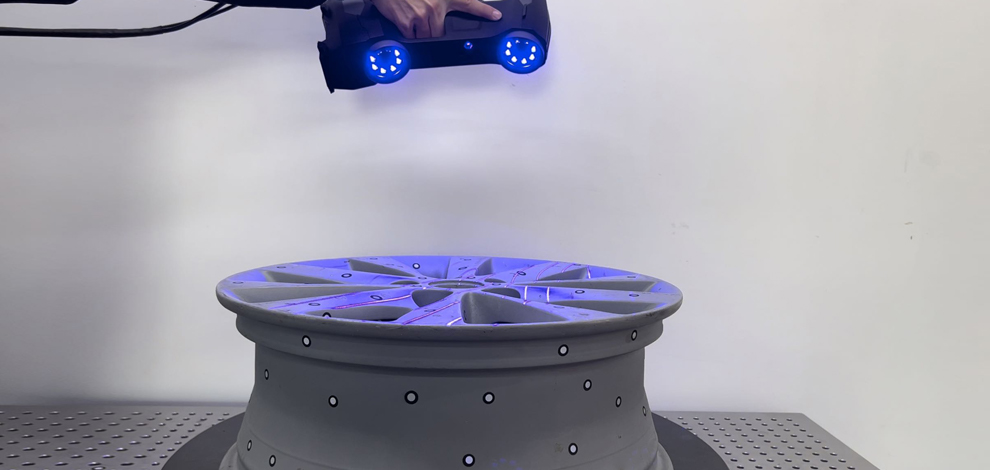
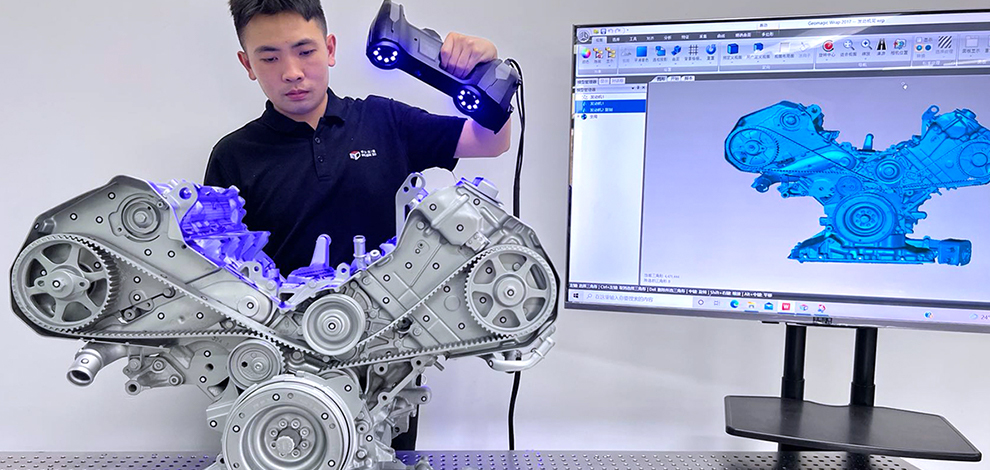
Automobile Engine
Based on the characteristics of the workpiece and customer requirements, technical engineers at Hualang 3D proposed a solution. The handheld laser 3D scanner HOLON B71 was used for scanning. The fine mode was adopted to scan undulating surfaces with an accuracy of up to 0.02 mm, and the single-line deep hole mode was applied to scan hole positions. High-precision complete 3D data can be easily obtained with simple, fast operation and high efficiency.
Car Headlights
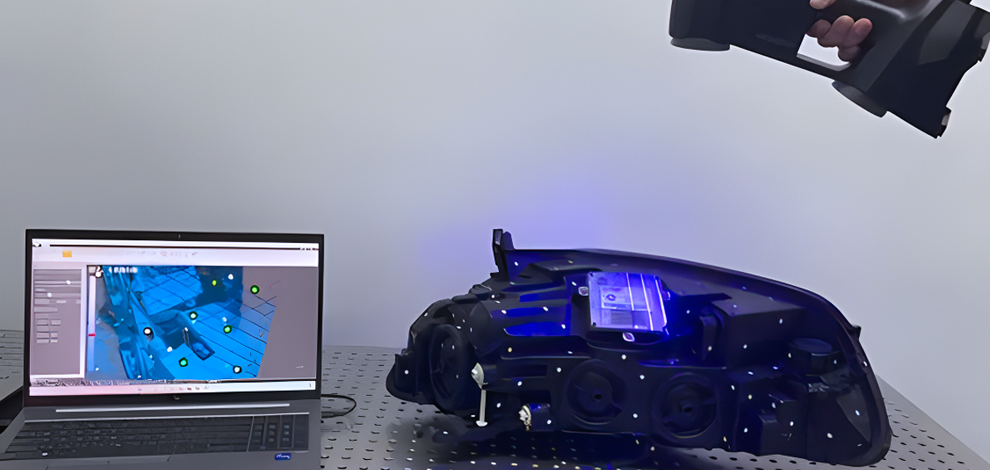
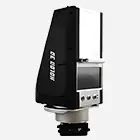
The handheld 3D scanner HOLON 771 is used to scan automotive lamps. It features a scanning area of 600×550 mm and performs rapid data acquisition at 650,000 measurements per second. High-precision 3D data of the lamps can be obtained in real time. Simulated assembly is carried out based on the 3D scanning data of the lamps, providing valid data for subsequent lamp modification.